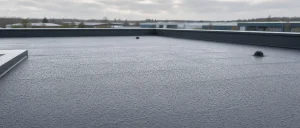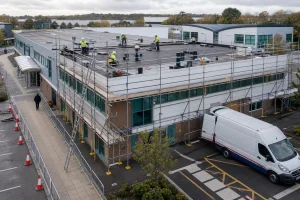
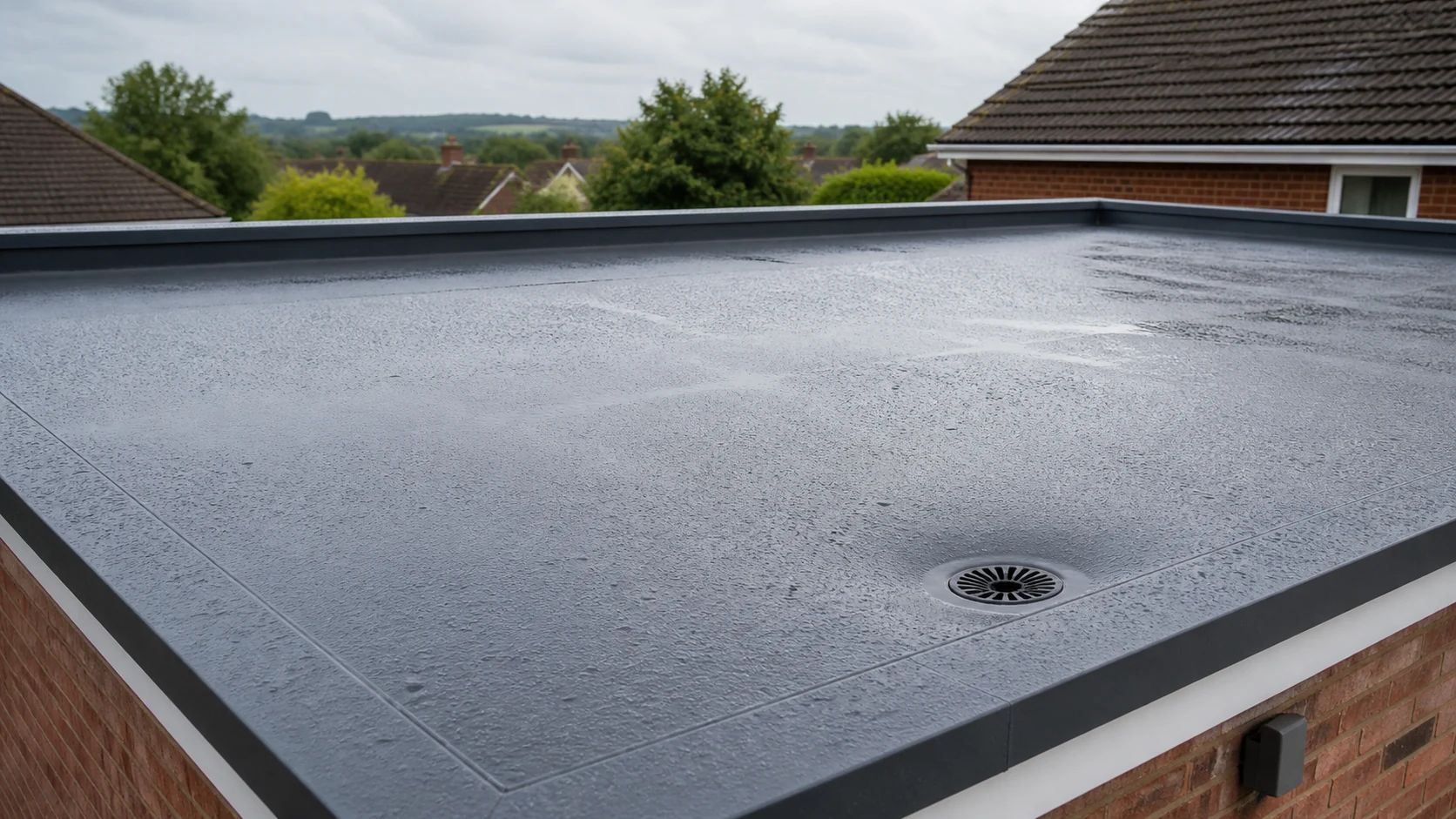
A flat roof has a simple job, but it has to do it well. Rain needs to move away from the surface, vulnerable edges need to be sealed, and every joint, outlet and upstand has to resist water over time.
Felt roofing remains a widely used way to protect flat roofs because it combines layered waterproofing with practical detailing. When it is specified and installed properly, it can help domestic, commercial and industrial roofs stay watertight, easier to maintain and better prepared for everyday weather.
What felt roofing actually does on a flat roof
Felt roofing is not just a sheet laid over a roof deck. A professional felt roof is a build up of compatible layers that work together to form a continuous waterproof covering. The exact specification depends on the roof, but the principle is always the same: protect the structure below by controlling how water meets, travels across and leaves the roof surface.
On many flat roofs, the felt system sits above a deck, insulation where required, and preparation layers that help the covering bond correctly. The finished membrane then creates the weathering surface. It needs to resist rain, standing moisture, foot traffic for maintenance, changes in temperature and movement within the building.
The benefit of a layered felt system is that it gives the roof more than one line of defence. Base layers, intermediate layers and cap sheets can each contribute to strength, adhesion and weather resistance. This is one reason felt is still used across a wide mix of roof types, from small domestic extensions to larger working buildings.
For readers comparing options, Acsap Roofing explains the service in more detail on its felt roofing service page, including how felt can be used for new flat roofs, replacement coverings and suitable repair work.
Why detailing matters as much as the main roof covering
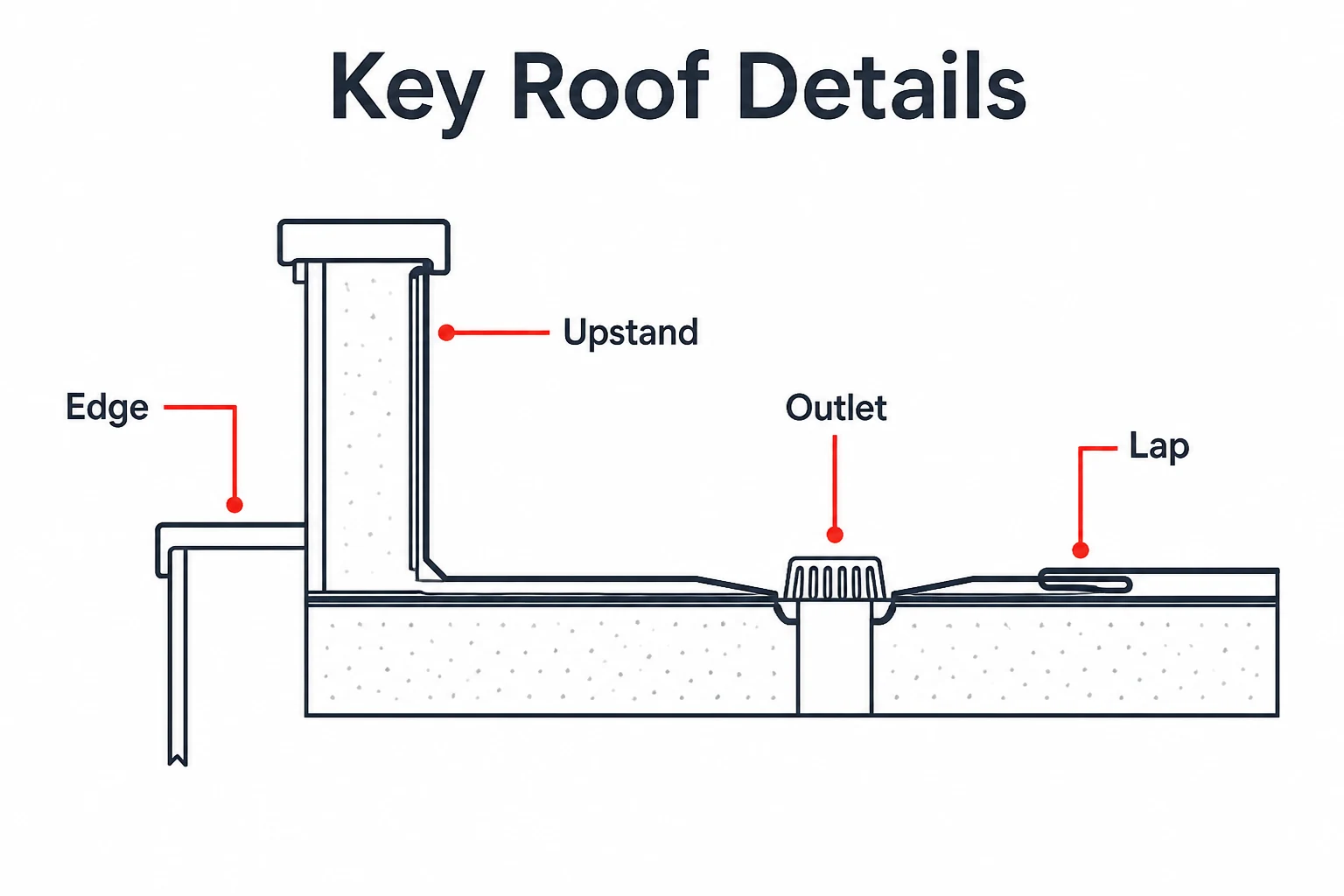
Most flat roof leaks do not start in the middle of a clean, uninterrupted roof area. They often appear around details. These are the places where the waterproofing has to turn, join, terminate or allow something to pass through it.
Common details include edges, parapets, rooflights, vents, pipe penetrations, gutters, outlets and junctions with walls. Each of these points needs careful treatment because water naturally finds weak spots. A roof can have a strong main surface, but if the detailing is rushed or poorly planned, water ingress can still occur.
With felt roofing, good detailing usually means forming neat laps, sealing corners correctly, dressing the membrane into outlets and making sure upstands are high enough for the roof design. It also means using compatible materials at junctions, rather than mixing products that may not bond or age well together.
This is where professional installation makes a clear difference. A trained roofer will look at how rainwater behaves on the roof, where it may gather, how the building moves and which parts are most exposed. The felt is then installed around those conditions, not treated as a simple cover.
Detailing is also one of the reasons flat roof repairs should be approached carefully. A patch over a visible crack may stop a symptom for a while, but it may not deal with the cause. If water is entering around an outlet, behind a flashing or under a failed lap, the repair needs to address that exact route.
How felt build ups help resist water ingress
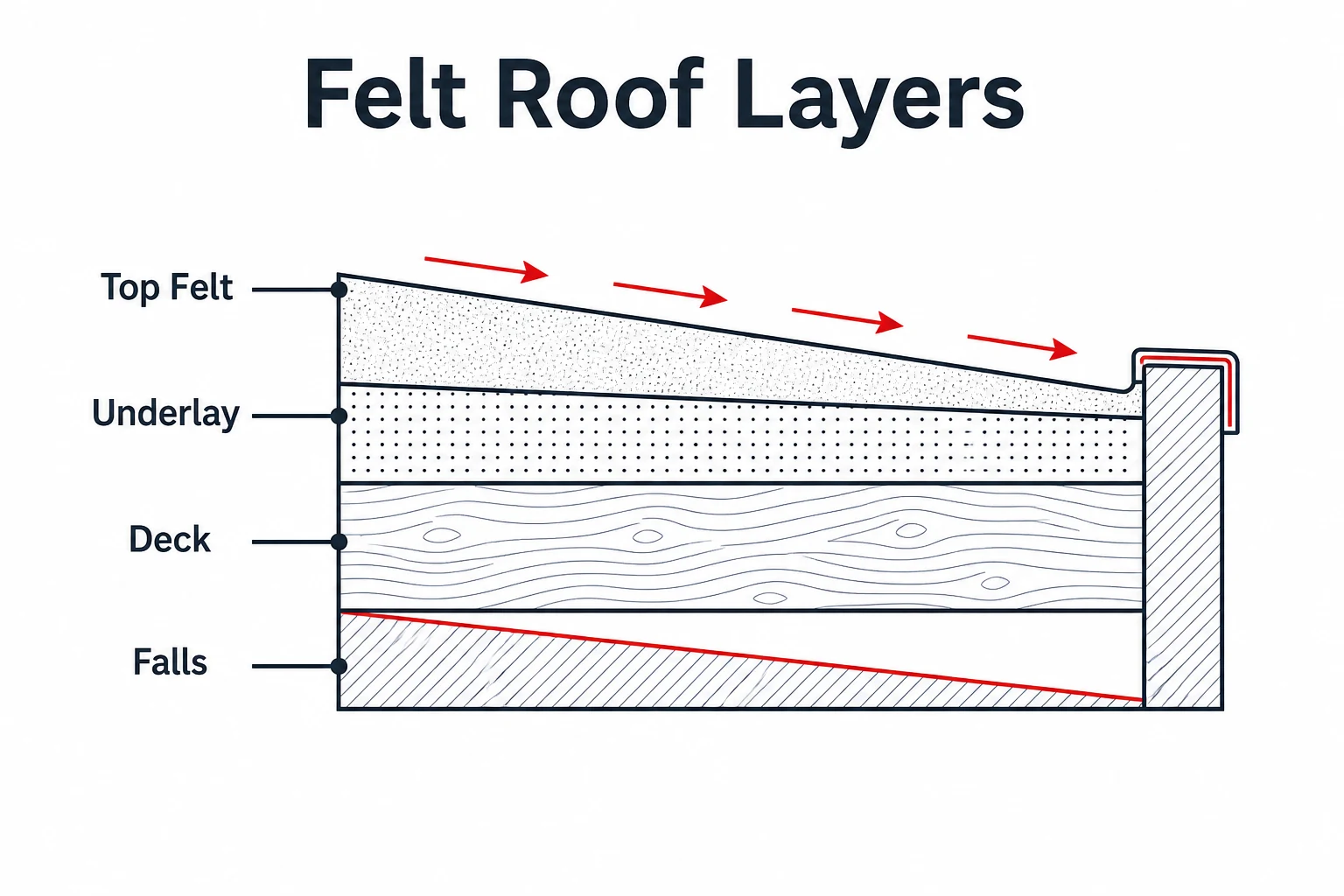
A watertight felt roof relies on continuity. Water should meet a sealed surface from one edge of the roof to the other, with no open laps, exposed deck areas or vulnerable transitions. The build up is designed to make that possible.
The deck must be sound and suitable for the system. If the roof structure is damp, damaged or uneven, those issues should be dealt with before the new covering is installed. Laying new felt over a poor base can reduce the life of the roof and make it harder to achieve consistent adhesion.
Falls are another important factor. Flat roofs are rarely meant to be completely flat. They usually need a controlled slope so rainwater can drain towards outlets or gutters. Felt roofing can protect against wet conditions, but good roof design still aims to reduce unnecessary standing water where possible.
Laps and joints are also central to performance. The felt layers need to overlap correctly so water cannot track backwards through the system. Around roof edges and details, the installer has to think about wind uplift, rain direction and maintenance access, as well as the visible finish.
The top layer, often called the cap sheet, provides the main weathering face. Depending on the system, it may include a protective finish that helps the roof cope with sunlight and general exposure. Beneath it, the supporting layers help create strength and stability. Together, they make felt roofing a practical waterproofing method rather than a single surface treatment.
When felt roofing is a suitable solution
Felt can be a good option when the roof is suitable for a layered membrane system and the details can be formed properly. It is often considered for flat roofs on extensions, garages, offices, workshops and other buildings where a durable waterproof covering is needed.
It may be especially appropriate where the existing roof covering has reached the end of its serviceable life, where previous repairs are no longer reliable, or where a roof needs a more complete waterproofing approach. It can also be used as part of planned maintenance when a roof is still structurally sound but needs renewed protection.
The best choice depends on the building and the roof design. Felt is not the only flat roofing option, and a good contractor should be able to explain where it fits alongside alternatives. For example, some commercial flat roofs may be better suited to single ply systems, and Acsap Roofing has a useful guide on how single ply roofing keeps commercial flat roofs watertight.
Liquid applied systems can also be useful in certain situations, particularly where complex shapes or awkward details are involved. The key is not to pick a material by name alone. The right answer comes from the roof condition, drainage, access needs, budget priorities, expected use and the standard of preparation possible before work begins.
A felt roof should therefore be specified after inspection. The inspection should look for trapped moisture, sagging areas, blocked outlets, failed previous coverings and any signs that the deck or insulation may need attention. That early checking helps the finished roof perform as intended.
Repairing felt roofs without masking the real problem
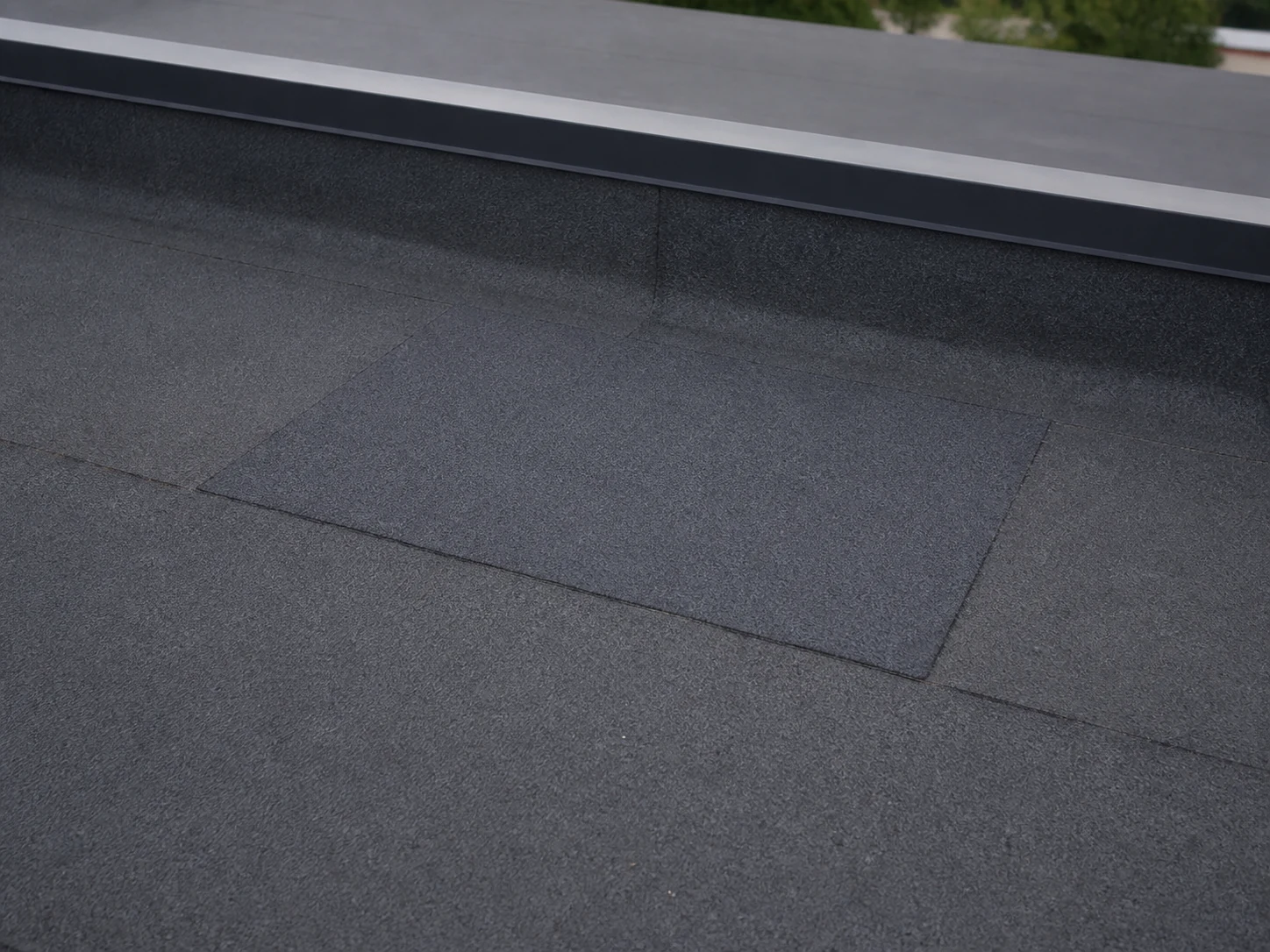
Felt roof repairs can be very effective when the issue is clearly understood. Small splits, localised impact damage, open laps and worn details may all be repairable, provided the surrounding roof is still in good condition.
The risk comes from treating every leak as if it starts directly above the damp patch inside. Water can travel under coverings, along boards or around details before it shows itself indoors. That is why investigation matters. A professional will often trace the likely route of water, check the roof surface, inspect outlets and look closely at upstands and junctions.
A good repair should clean and prepare the affected area, remove loose or failed material, use compatible products and reinstate the waterproof layer so it bonds properly with the existing roof. The aim is not just to cover a mark, but to restore the integrity of the roof covering.
If the roof has widespread cracking, repeated leaks, soft areas or signs of moisture trapped below the membrane, a local repair may not be the most sensible route. In those cases, a more complete roof restoration or replacement covering may give a more reliable result. Acsap Roofing covers related repair and maintenance support through its roof restoration, roof repairs and roof maintenance service.
For anyone dealing with a leak, it is worth avoiding quick fixes that hide the symptom but leave the cause untouched. This guide to common roof repair mistakes explains why diagnosis and preparation are so important.
How maintenance helps a felt roof keep doing its job
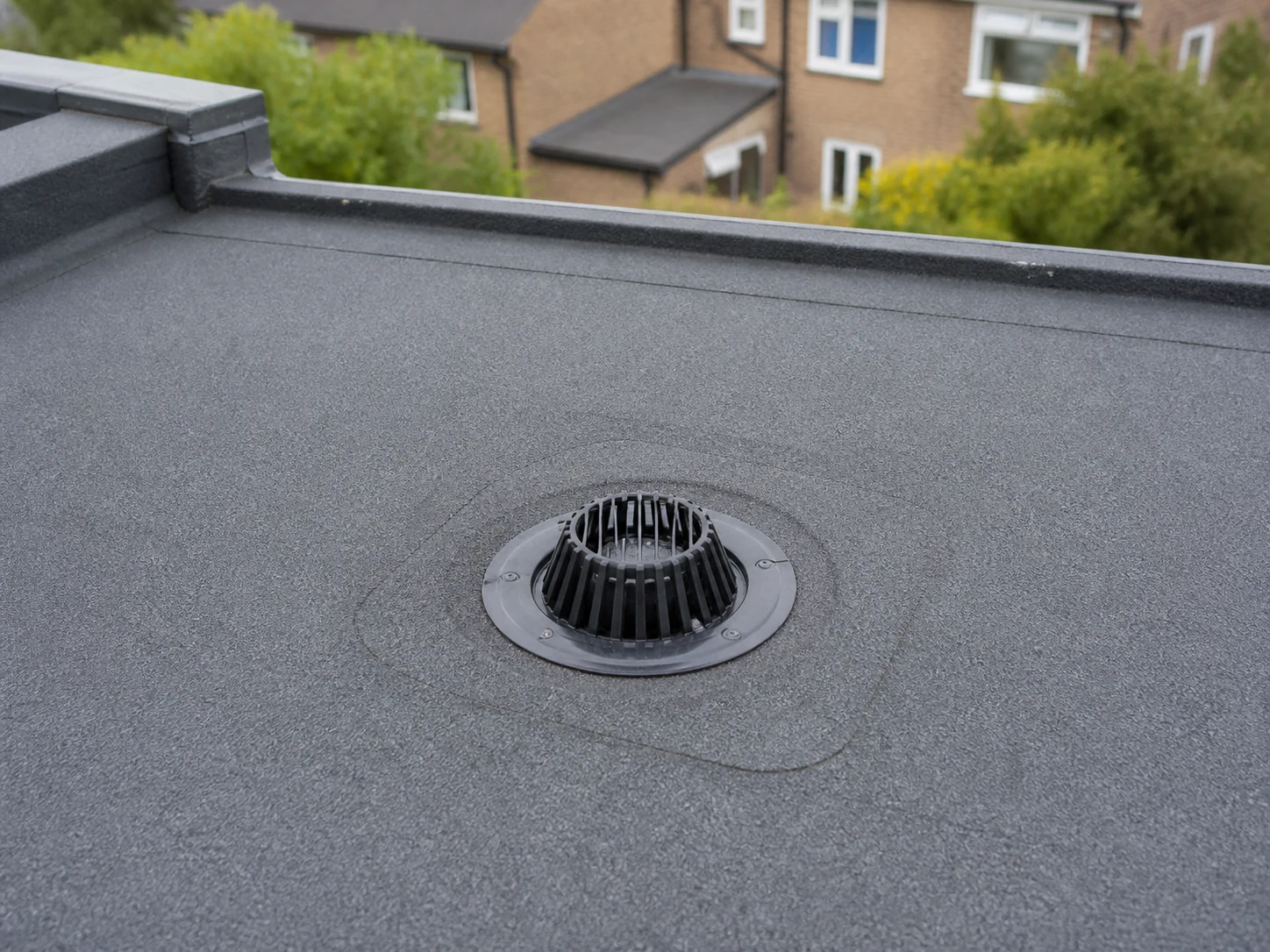
Even a well installed felt roof benefits from sensible maintenance. Flat roofs are exposed surfaces, and over time they can collect leaves, debris and dirt around outlets and edges. If drainage becomes restricted, water may sit on the roof for longer than necessary.
Basic maintenance usually means keeping gutters and outlets clear, checking that rainwater can flow freely and looking for early signs of wear around details. It is also sensible to inspect after severe weather, building works nearby or any event that may have caused impact damage.
Foot traffic should be managed carefully. Flat roofs may need access for maintenance, but unnecessary walking can increase wear, especially around routes to plant, rooflights or service points. Where regular access is expected, the roof design may need protection in those areas.
Owners should also watch for changes inside the building, such as staining, bubbling paint, damp smells or recurring moisture near ceilings and walls. These signs do not automatically mean the felt has failed, but they are worth checking before a small issue develops further.
The value of maintenance is simple: it helps preserve the waterproofing already in place. Felt roofing works best when the surface, laps, edges and drainage are kept in good order, and when repairs are carried out before water has the chance to affect the roof structure below.
- Felt roofing protects flat roofs by creating a layered, continuous waterproof covering.
- The most vulnerable points are usually details such as outlets, edges, rooflights, pipes and wall junctions.
- Good preparation, correct falls and properly formed laps are central to keeping a flat roof watertight.
- Felt can suit new flat roofs, replacement coverings and targeted repairs when the roof condition is appropriate.
- Regular maintenance helps drainage work properly and gives small defects less chance to become leaks.
Frequently asked questions
Is felt roofing still a good option for flat roofs?
Yes, felt roofing can still be a very effective flat roof solution when the system is specified correctly and installed by experienced roofers. Its suitability depends on the roof structure, drainage, detailing and condition of the existing covering.
Can a leaking felt roof be repaired?
Many felt roofs can be repaired if the damage is localised and the surrounding covering is still sound. The important part is finding the true route of water ingress, not just covering the most visible mark.
Why do flat roofs leak around edges and outlets?
Edges and outlets are busy details where the roof covering changes direction, terminates or drains water away. If laps, seals or dressings fail in these areas, water can enter even when the main roof surface looks intact.
How often should a felt roof be checked?
A felt roof should be checked periodically and after severe weather or nearby building work. Clear drainage, sound laps and tidy details are all worth monitoring because small issues are usually easier to deal with early.
Need clear advice on a flat roof?
If you are weighing up felt roofing, flat roof repairs or a replacement covering, Acsap Roofing can inspect the roof and explain the options in plain English.