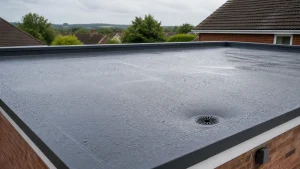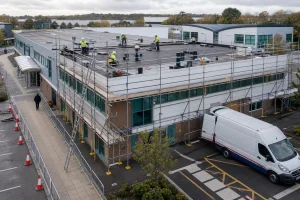
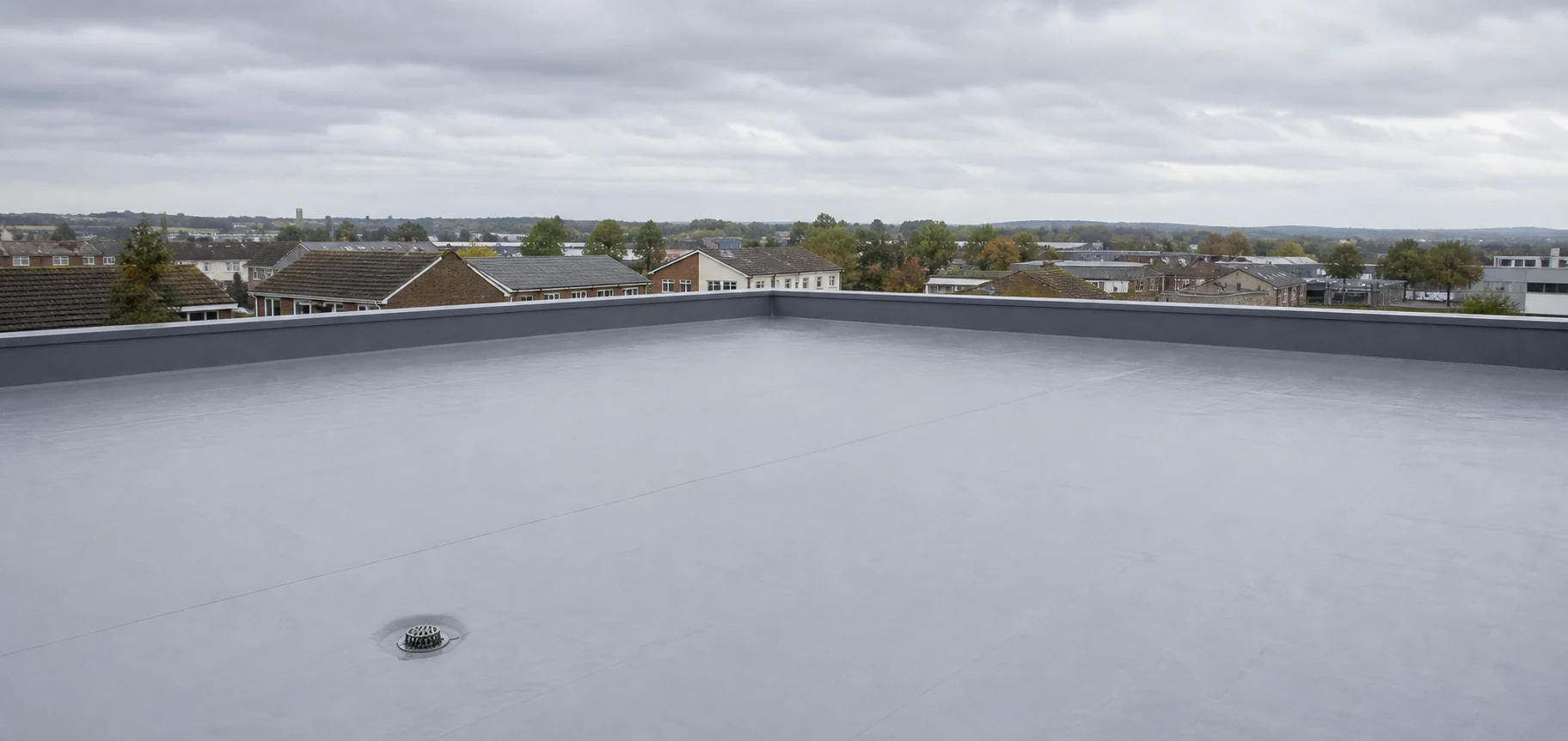
Liquid applied membranes can be a very effective way to repair, protect and refresh a flat roof, but they are at their best when the roof has been properly assessed first.
The real value is not just the coating itself. It is knowing where a liquid membrane is the right answer, how the existing roof should be prepared and which details need careful treatment before the system is applied.
Why liquid membranes suit many flat roof repairs
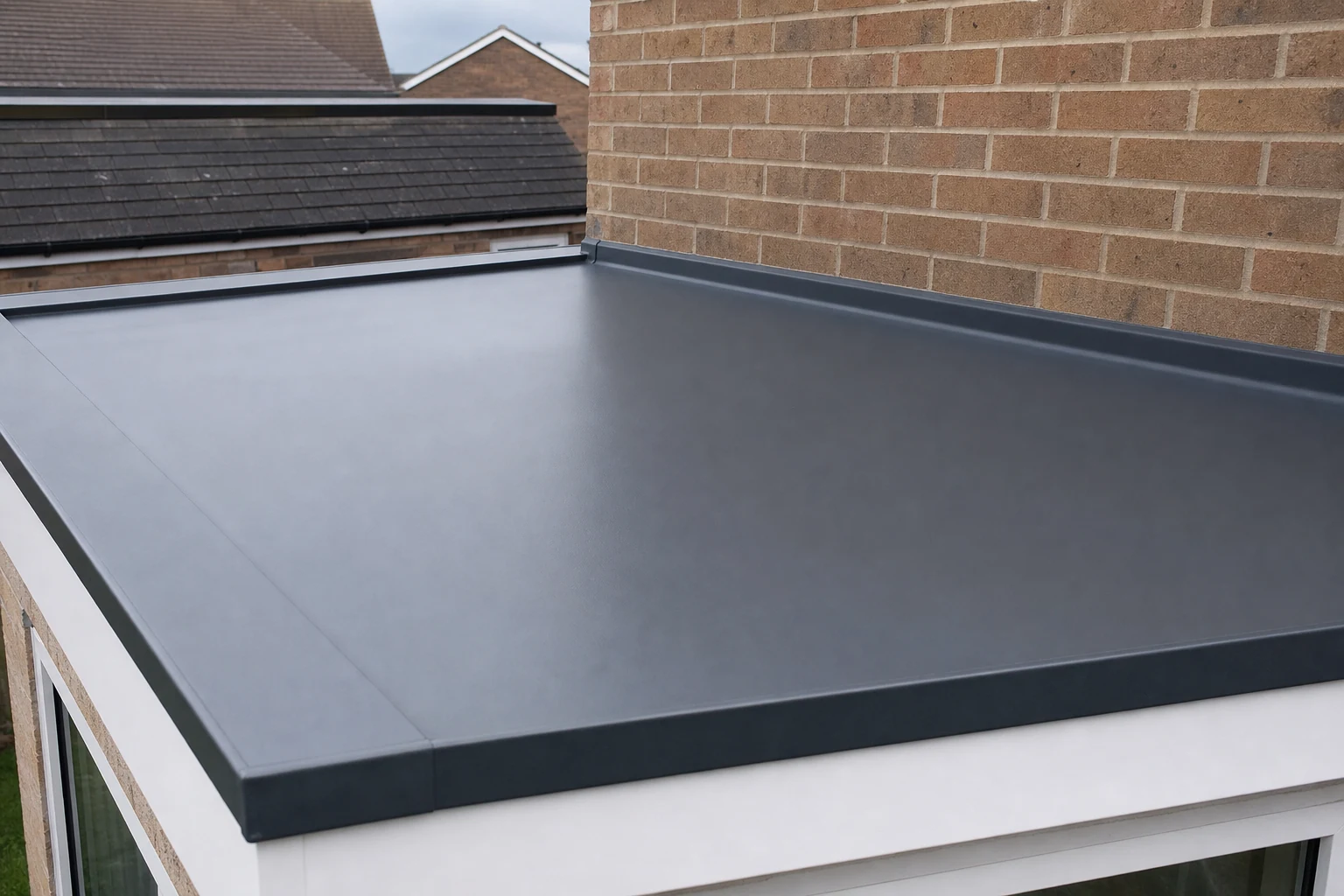
A liquid membrane is applied to the roof surface in liquid form and cures to create a continuous waterproof layer. Because it is not laid in sheets, it can form neatly around details that would be harder to cover with rolls or boards.
This makes it useful for many flat roof repair and refurbishment situations, especially where the main structure is still sound but the waterproofing needs improvement. It can help seal vulnerable areas, protect ageing coverings and reduce the number of joints where water can find a route through.
It is often considered when a roof has localised leaks, tired surface protection, open laps, small cracks or signs that the existing waterproof layer is reaching the point where planned attention makes sense. For a fuller overview of the service, Acsap Roofing explains its roof coating and liquid membrane systems in more detail.
The important point is that liquid membranes are not a shortcut around inspection. They perform best when the roof is cleaned, prepared and treated as a complete waterproofing project rather than a quick surface cover.
Awkward details are often where liquid systems prove their worth
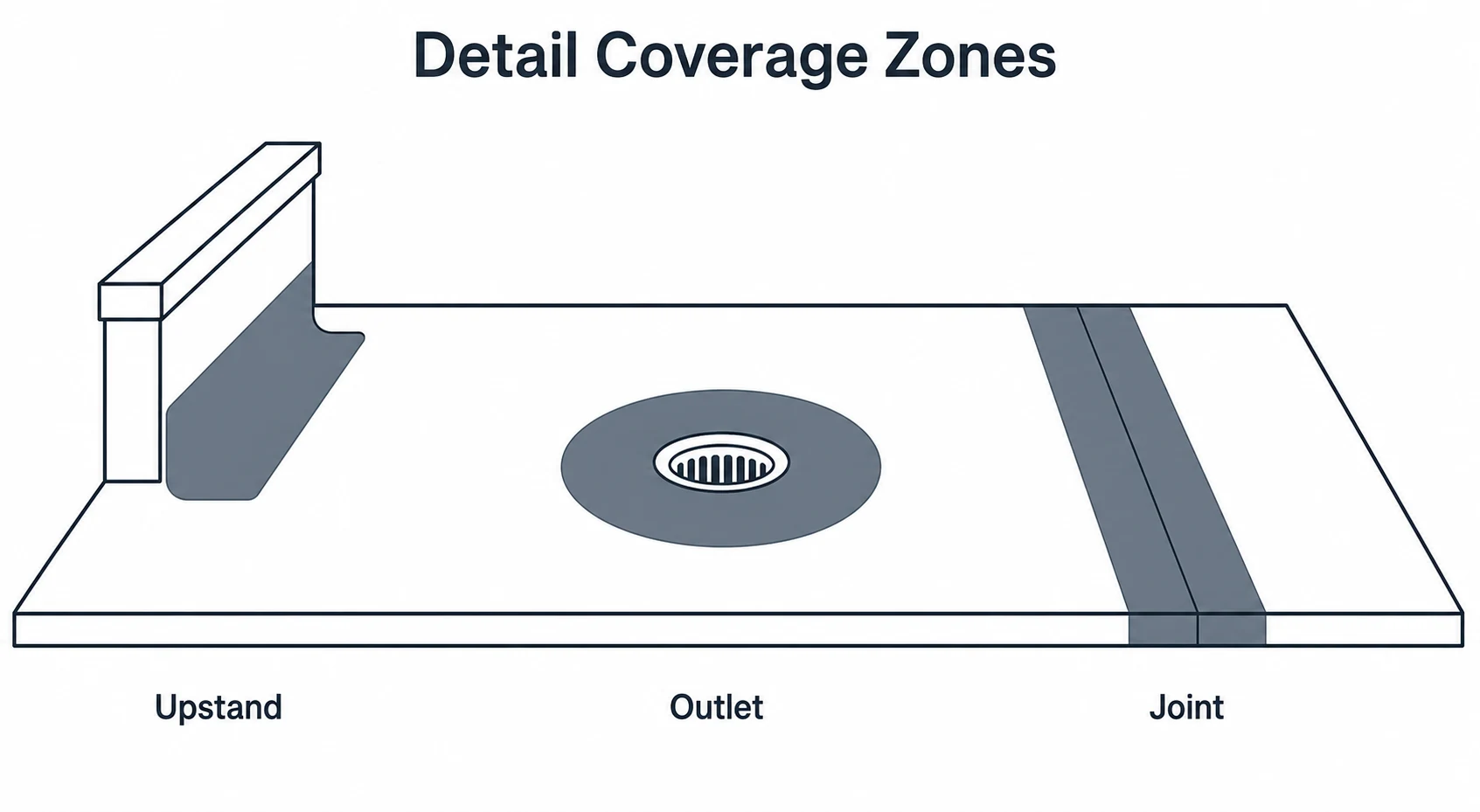
Flat roofs are rarely as simple as one open area. The leaks that cause the most frustration often appear around roof lights, outlets, vents, upstands, parapets, edge trims, pipe penetrations and changes in level. These details create corners, curves and junctions where water can sit or track behind weaker workmanship.
A liquid membrane can be especially useful here because it can be worked closely around these shapes. Reinforcement can usually be added at stress points, corners and changes of direction, helping the finished waterproofing layer cope with the areas that take the most strain.
This is why liquid systems are commonly considered for roofs with lots of plant, access points or complicated perimeter details. They can also suit smaller flat roof areas where cutting and joining sheet materials around multiple obstacles would create more seams than ideal.
Good detailing matters more than simply coating the visible flat area. A professional roofer will look at where water travels, where movement is likely and where the existing covering has already failed. That detail led approach is what turns a liquid membrane from a surface treatment into a reliable repair method.
Existing roof coverings need careful assessment
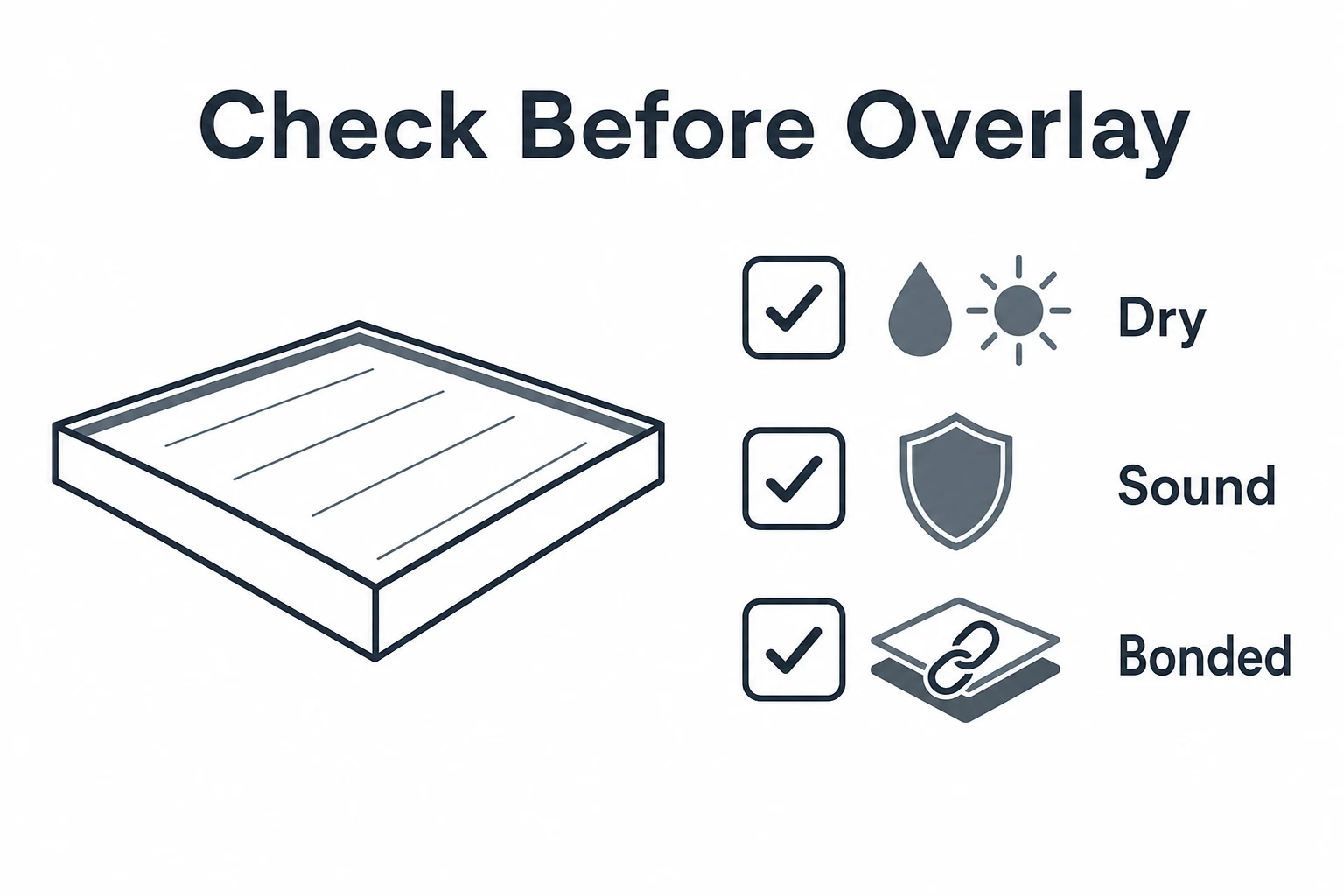
One of the main reasons liquid membranes are popular in refurbishment work is that they can sometimes be applied over existing roof coverings, provided the roof is suitable. This can include certain felt, asphalt, concrete, metal or single ply surfaces, but suitability depends on condition, compatibility and preparation.
The existing covering needs to be checked for adhesion, moisture, contamination, cracking, blistering and trapped water. Any weak, loose or saturated areas should be dealt with before the liquid system is applied. If the substrate is moving, breaking down or holding water beneath the surface, coating over it would not solve the underlying issue.
Preparation can include cleaning, drying, priming, cutting out damaged areas, reinforcing joints and treating details. Different products have different requirements, so the assessment should match the roof type and the chosen system.
Where a roof already has a single ply covering, the decision should be made carefully because the membrane type, age and condition all matter. If you are comparing options, Acsap Roofing has also covered how single ply roofing keeps flat roofs watertight, which helps show why compatibility and detailing are so important.
Leak prone areas and planned maintenance
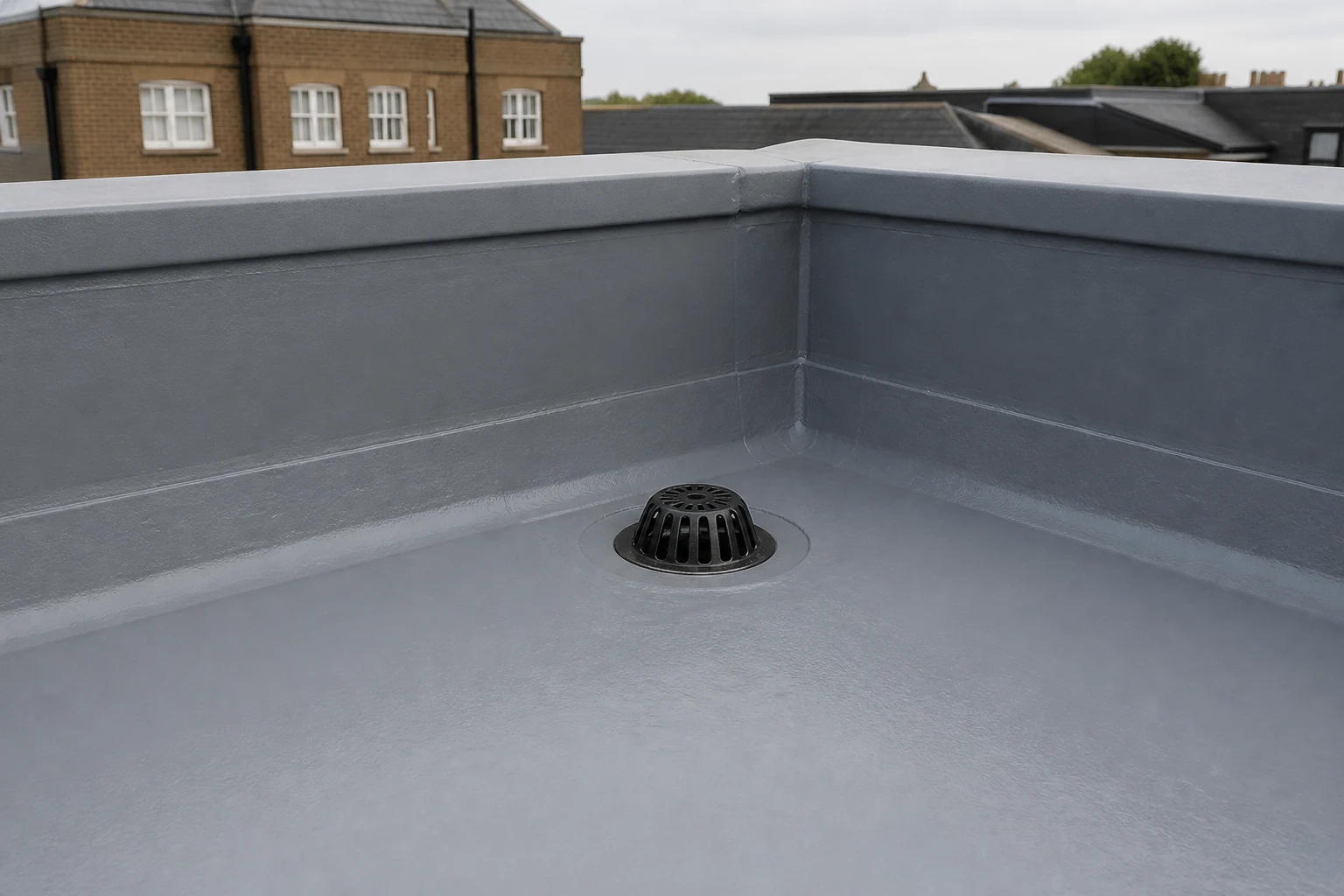
Liquid membranes can be particularly helpful when a flat roof has known leak prone areas but does not need a full replacement. Typical examples include small splits, failed laps, worn detailing, porous surfaces, vulnerable outlets and areas where previous repairs have not tied in neatly with the surrounding roof.
They also fit well into planned maintenance. Instead of waiting for repeated leaks to cause disruption, a roof can be inspected and treated before minor defects become more serious. This is especially useful for properties where keeping access, safety and continuity under control matters.
A professional inspection should look beyond the obvious damp patch. Water can travel some distance before it appears internally, so the visible sign is not always directly below the defect. The roof surface, drainage paths, falls, outlets, trims and internal symptoms all need to be read together.
Liquid membranes can form part of a wider roof restoration, repair and maintenance plan, especially when the aim is to protect the roof fabric and extend serviceable life through sensible, targeted work.
When a liquid membrane may not be the right answer
A good roofer should be just as clear about when not to use a liquid membrane. If the roof deck is damaged, insulation is wet, drainage is poor, falls are inadequate or the existing covering is badly detached, those issues need proper attention before any coating is considered.
Liquid membranes are designed to waterproof a suitable surface. They are not a structural repair for a failing deck and they should not be used to hide defects that need opening up. If there is trapped moisture, severe blistering, widespread movement or repeated ponding, the roof may need more preparation, local rebuilding or a different specification.
This is where quality assurance matters. A professional assessment can identify what needs repairing, what can remain in place, which primer or reinforcement is required and whether the roof should be tested before work begins. The same care should continue during application, with attention to dry conditions, correct coverage, curing and detail work.
Many poor outcomes come from rushing the decision or treating every flat roof in the same way. Acsap Roofing has written about common roof repair mistakes and how to avoid them, and the same principle applies here: the right repair starts with the right diagnosis.
- Liquid membranes work well on many flat roofs where the structure is sound and the waterproofing needs repair, protection or renewal.
- They are especially useful around awkward details, penetrations, outlets, upstands and other areas where seams and joints can become vulnerable.
- Existing coverings must be checked for moisture, adhesion, movement and compatibility before a liquid system is applied.
- Professional assessment and preparation are the quality assurance steps that decide whether a liquid membrane is suitable.
- Liquid membranes are not a substitute for structural repairs, drainage improvements or removing saturated roof materials where those issues are present.
Frequently asked questions
Can a liquid membrane stop a flat roof leak?
Yes, it can stop leaks when the defect is in a suitable area and the roof is properly prepared. The leak source should be traced first, because water may enter in one place and show inside somewhere else.
Can liquid membranes be applied over an old flat roof?
Sometimes. The existing covering must be secure, dry, clean and compatible with the chosen system. Loose, wet or badly damaged areas need repair before any membrane is applied.
Are liquid membranes only for commercial roofs?
No. They can be used on domestic, commercial and industrial flat roofs, depending on the roof condition, access, details and performance required.
What should be checked before choosing a liquid membrane?
A roofer should check the roof deck, existing covering, drainage, outlets, details, moisture risk, previous repairs and any signs of movement. This confirms whether a liquid membrane is the right specification.
Ask for a professional roof assessment
If you are weighing up liquid membranes for a flat roof repair or refurbishment, Acsap Roofing can assess the roof properly and recommend a practical way forward.