Most people hardly ever think about their roof unless something goes terribly wrong. When your roof is out of sight, it’s easy for it to be out of mind – especially if you’re not seeing any obvious signs of damage like leaks or missing tiles.
Regular maintenance can seem like a total waste of money at first, especially if everything looks fine.
But the thing is, roofs get old quietly. They suffer from small weaknesses that never show up as a problem inside your house.
By the time you notice something’s gone wrong, the damage may already be spreading under the surface. This is when routine maintenance starts to make more and more sense – even if it doesn’t feel urgent at the time.
How Minor Roof Issues Can Turn Into Big Repairs
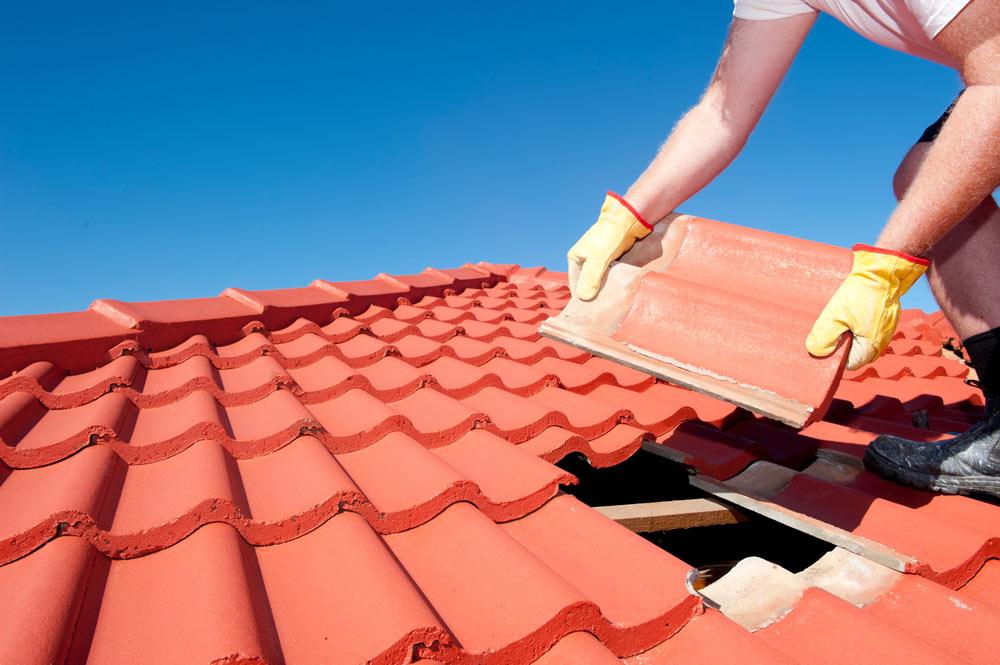
That one loose tile or slightly lifted flashing might not seem worth worrying about at first. But those small faults are like an open door for water to get in – especially during heavy rain.
Moisture can slowly seep into the underlying structure, causing problems with the timbers and insulation before you even see a stain on the ceiling.
Over time, repeated exposure to damp conditions can weaken materials that were previously sound. What started as a straightforward repair can turn into a much bigger job involving rot, mould or damage to the inside of your house.
Regular checks help catch these sorts of things early on, when the fix is still easy.
The Financial Impact of Delayed Maintenance
Routine maintenance usually just involves a few small adjustments and some minor replacements – and these are usually pretty affordable.
A quick check to make sure the tiles are secure or re-sealing vulnerable areas is a tiny price to pay compared to more extensive repair work.
But if you ignore maintenance, the costs can add up quickly. Water damage can get to your ceilings, walls and electrical systems as well as the roof itself.
In some cases, homeowners find themselves facing expensive partial or full roof replacements that could have been avoided with a bit more care early on.
How Weather Affects Roof Damage
The UK weather is not exactly kind to roofs, to put it mildly. Rain, sudden temperature changes and winter frost all put a lot of stress on a roof.
Strong winds can loosen fixings and make things worse, while freeze-thaw cycles can cause small cracks to expand.
Stressful weather conditions like storms and long periods of rain are particularly bad for roofs.
Even a well-installed roof can suffer after extreme weather, which is why those post-weather inspections often get overlooked but are really important. Catching storm damage early on can prevent months of slow deterioration.
What Regular Roof Maintenance Involves
Roof maintenance usually starts with a visual check from either the ground or a safe bit of equipment.
This lets you spot things like cracked tiles, damaged flashing or sagging areas before they get any worse.
Other tasks often include clearing out moss, leaves and debris from your gutters and downpipes. If these get blocked, water can overflow and damage the edges of your roof and any brickwork.
It’s amazing how much difference a bit of regular maintenance can make to the long term health of your roof.
Maintenance for Domestic vs Commercial Properties
Domestic roofs are generally smaller and simpler in design, which means roof inspections are a bit quicker and less hassle.
Maintenance for homes can often be scheduled around seasonal changes or when you notice things getting a bit worn.
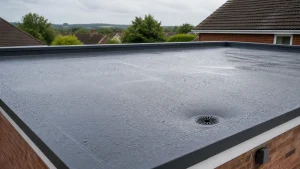
Commercial properties, on the other hand, often have larger flat or low-pitched roofs that need more structured maintenance plans.
Problems on these roofs can be harder to spot from the ground, and the financial impact of failing to deal with them is often much bigger due to business disruption and the scale of the repairs.
When to Schedule Roof Maintenance
Many experts recommend annual inspections as a sensible starting point. Spring and autumn are often good times to do this, as they let you deal with any damage caused by winter or summer weather right away.
There are other warning signs that mean you shouldn’t delay maintenance – like damp patches, overflowing gutters or tiles tumbling down after a big gust of wind.
Acting quickly at this stage can make a big difference to both the time and cost of the repairs.
Choosing a Professional Over DIY Fixes
It can be tempting to try to do your own roof repairs, especially for small jobs. But working at height is fraught with safety risks, and without experience, you can easily miss underlying problems.
What might look like a minor fault might actually be part of a bigger issue.
A professional roofer brings knowledge and the right equipment to the job. They’re more likely to spot early signs of wear that are not immediately obvious to the untrained eye.
In many cases, this expertise helps stop repeat problems caused by DIY fixes that didn’t quite do the job.
Long-Term Value and Peace of Mind
Regular roof maintenance can actually extend the lifespan of your roof. By dealing with wear and tear before it becomes a major problem, materials are less likely to fail prematurely.
This spreads costs over time rather than forcing you to shell out for big, unexpected expenses.
Beyond the financial benefits, there’s also the peace of mind. Knowing your roof has been checked and maintained reduces the worry of sudden leaks or emergency repairs.
In the long run, planned upkeep is far less stressful than reacting to avoidable problems.