When it comes to industrial roofing, durability, cost-effectiveness, and efficiency are key considerations. Profiled steel roofing, with its distinctive corrugated design and robust properties, has become a preferred choice for industrial spaces worldwide. In this guide, we’ll explore what profiled steel roofing is, its benefits, how it compares to other materials, and why it’s the ideal solution for industrial applications.
What is Profiled Steel Roofing?
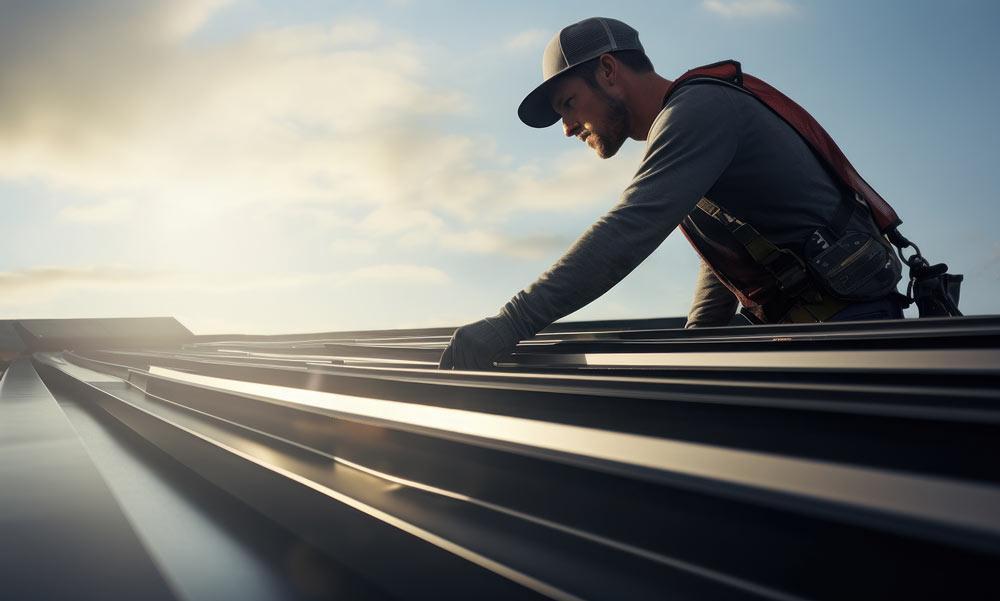
Profiled steel roofing consists of metal sheets that are shaped into a series of ridges and troughs, often referred to as “profiles.” These sheets are manufactured from high-quality steel, coated with protective layers to prevent rust and corrosion. The design enhances the structural strength of the material, making it lightweight yet incredibly sturdy.
It is commonly used for industrial buildings, warehouses, factories, and agricultural facilities due to its functional and cost-effective properties. The profiles not only add strength but also improve water drainage and contribute to the material’s longevity.
The Benefits of Profiled Steel Roofing for Industrial Spaces
1. Durability and Longevity
Industrial spaces demand roofing materials that can withstand heavy use and harsh conditions. Profiled steel roofing is highly durable, with a lifespan of 40+ years when properly maintained. The steel is often galvanised or coated with zinc and other materials to protect it from rust, corrosion, and weathering.
2. Lightweight Yet Strong
Despite its robust nature, profiled steel roofing is surprisingly lightweight. This reduces the load on the building’s structure, minimising the need for heavy-duty support systems. It also makes transportation and installation faster and more cost-effective.
3. Excellent Weather Resistance
Profiled steel roofing is designed to withstand extreme weather conditions, from heavy rain and snow to high winds and intense heat. The ridged design aids in efficient water runoff, preventing pooling and potential leaks.
4. Energy Efficiency
Steel roofing reflects sunlight, helping to keep industrial buildings cool in summer. Additionally, insulation layers can be added to improve thermal performance, reducing heating and cooling costs.
5. Low Maintenance Requirements
With its corrosion-resistant coating and durable design, profiled steel roofing requires minimal maintenance. Routine inspections and occasional cleaning are usually sufficient to keep the roof in top condition.
6. Cost-Effective Solution
Profiled steel is an affordable roofing material, especially when its long lifespan and low maintenance costs are factored in. For industrial projects with large roof spans, this makes it a highly economical choice.
7. Quick Installation
Time is often a critical factor in industrial construction projects. The large sheet sizes and lightweight nature of profiled steel allow for swift installation, reducing labour costs and project timelines.
8. Sustainability and Recyclability
Steel is one of the most recyclable materials in the world. At the end of its life, profiled steel roofing can be recycled, making it an environmentally friendly option for industrial buildings.
Comparing Profiled Steel Roofing to Other Materials
Profiled Steel vs. Concrete
- Weight: Steel is much lighter, reducing structural demands and transportation costs.
- Installation Time: Concrete roofs require more time to install compared to steel.
- Durability: Both are durable, but steel offers better weather resistance.
Profiled Steel vs. Asphalt Roofing
- Lifespan: Steel lasts longer, with a lifespan of 40+ years versus asphalt’s 20-30 years.
- Maintenance: Steel requires less maintenance compared to asphalt, which can crack or degrade over time.
- Cost: While the upfront cost of steel may be higher, its longevity makes it more cost-effective.
Profiled Steel vs. Single-Ply Roofing
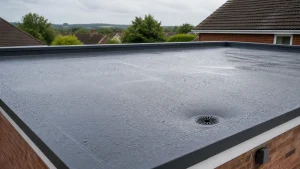
- Strength: Steel provides superior strength, ideal for industrial use, whereas single-ply roofing is more suited to smaller-scale applications.
- Weather Resistance: Both are good, but steel has better resistance to impact damage.
Applications of Profiled Steel Roofing in Industrial Spaces
Warehouses
Warehouses often have large roof spans, making the lightweight and durable nature of profiled steel ideal. Its reflective properties also help maintain a stable internal temperature, protecting stored goods.
Factories
Factories require roofing that can withstand the demands of heavy machinery and fluctuating temperatures. Profiled steel roofing provides excellent structural support and durability.
Agricultural Buildings
For barns, silos, and other agricultural structures, profiled steel is a reliable choice. It resists rust and weather damage, ensuring a long-lasting roof for sensitive contents.
Storage Facilities
Profiled steel is perfect for industrial storage units due to its low maintenance needs and strong, protective surface.
Installation Process of Profiled Steel Roofing
Step 1: Planning and Preparation
The first step is to assess the building’s structural requirements and select the appropriate profile type and coating. Accurate measurements ensure a precise fit.
Step 2: Installing Support Structures
A framework or purlins are installed to support the lightweight steel sheets. The design ensures optimal load distribution.
Step 3: Laying the Sheets
Steel sheets are laid in overlapping patterns, secured with fasteners or screws. The overlapping ensures water-tightness.
Step 4: Adding Protective Coatings
If not pre-coated, a protective layer is applied to shield the steel from environmental damage.
Step 5: Final Inspection
A thorough inspection ensures all sheets are securely attached and that the roof is leak-proof.
Maintaining Profiled Steel Roofing
Although low-maintenance, regular care can extend the lifespan of a profiled steel roof. Key tips include:
- Regular Inspections: Check for loose fasteners, scratches, or corrosion.
- Cleaning: Remove debris, dirt, and moss to prevent damage.
- Repairs: Address minor issues promptly to avoid larger problems.
- Repainting: Reapply protective coatings as needed to maintain resistance against rust.
Why Choose Profiled Steel Roofing for Your Industrial Project?
Cost-Effectiveness
With its long lifespan and minimal maintenance needs, profiled steel roofing offers excellent value for money.
Reliability
Steel roofing’s durability ensures a reliable solution for industrial buildings, reducing the risk of disruptions due to roof damage.
Sustainability
As a recyclable material, steel is an environmentally conscious choice for companies aiming to reduce their carbon footprint.
Conclusion
Profiled steel roofing is a superior choice for industrial spaces, offering unparalleled durability, cost-effectiveness, and performance. Whether you’re constructing a new warehouse, upgrading an existing factory, or maintaining agricultural buildings, this roofing solution provides the strength and reliability you need.
If you’re considering profiled steel roofing for your next industrial project, get in touch with our team at ACSAP Roofing Services. We’re experts in designing and installing high-quality roofing solutions tailored to your specific needs. Let us help you protect your investment with a roof that stands the test of time.