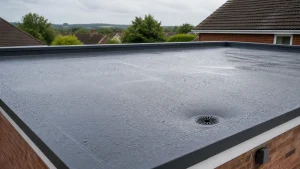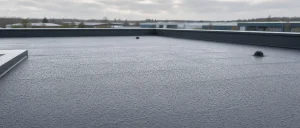

Energy efficiency is often discussed in terms of heating systems, insulation and windows, but the roof plays a major role in how a building manages heat, weather and comfort.
Where an existing roof is suitable, specialist roof coatings and liquid membranes can be a practical upgrade. They can help protect the roof surface, improve weather resistance and support a more efficient building fabric without automatically moving straight to full roof replacement.
Why the roof matters for energy efficiency
A roof is one of the largest exposed parts of any building. It takes the full effect of rain, wind, sunlight, temperature changes and general ageing. When the roof surface starts to deteriorate, the building below can become harder to manage. Small cracks, tired coverings, weakened laps, open details and worn protective layers can all allow moisture and air movement to affect performance.
Energy efficiency is not only about stopping heat from escaping in cold weather. It is also about reducing unnecessary heat gain, keeping internal temperatures more stable and helping the building work as a complete system. A roof that is weather tight, properly detailed and well protected can support that aim.
Roof coatings and liquid membranes do not replace insulation, ventilation or good roof design. They work alongside those elements. Their value is in upgrading the roof surface, improving protection and helping extend the useful life of suitable roofs. For many domestic, commercial and industrial buildings, that can be a sensible part of a wider maintenance and energy improvement plan.
How roof coatings can reduce heat stress

Some roof coatings are designed to help manage solar heat gain. Reflective finishes can reduce the amount of heat absorbed by the roof surface, which may help limit temperature build up in the roof covering and the space below. This can be particularly useful on roofs that receive prolonged sun exposure or on buildings where internal comfort is affected by heat through the roof.
Reducing surface heat can also benefit the roof itself. Repeated heating and cooling can place stress on materials over time. A suitable coating can add a protective layer that helps the roof cope with daily temperature movement, weathering and exposure. The result is not just about comfort inside the building. It is also about giving the roof surface better protection against the conditions it faces every day.
The right product choice matters. Not every roof needs the same coating, and not every coating is suitable for every substrate. A professional inspection should look at the roof material, drainage, existing defects, previous repairs, moisture risk and how the building is used. Acsap Roofing covers roof coating and liquid membrane systems for suitable roofs, helping property owners understand what type of upgrade is appropriate rather than applying a generic solution.
Where liquid membranes fit into the picture

Liquid membranes are applied as a fluid and cure to form a continuous protective layer. This makes them useful for roofs with details that can be awkward to treat with sheet materials alone, such as upstands, penetrations, outlets, joints and changes in level. Because the system bonds to the prepared surface, it can create a neat weather resistant finish across complex areas when installed correctly.
For energy efficiency, the benefit is indirect but important. A roof that keeps water out, handles movement well and protects vulnerable details helps preserve the performance of the wider building envelope. Wet materials, trapped moisture and repeated leaks can undermine insulation, damage internal finishes and create avoidable disruption. Keeping the roof in good condition helps the rest of the building perform as intended.
Liquid systems are often discussed in relation to flat and low pitch roofs, but suitability always depends on the individual roof. The existing surface must be assessed, cleaned, repaired where needed and prepared according to the product requirements. If you want more detail on suitable applications, Acsap Roofing has also explained where liquid membranes work best on flat roofs.
Why suitability matters before any coating is applied

A roof coating is only as good as the roof it is applied to. If the underlying structure is unsound, if water is trapped beneath the surface, or if defects are left untreated, coating over the problem will not deliver the right result. A careful survey is the starting point.
The inspection should identify whether the roof is stable, dry enough, well drained and capable of accepting a coating or liquid membrane. Areas of damage may need repair first. Failed details may need to be rebuilt. Loose material, contamination and previous unsuitable coatings may need to be addressed before the new system is applied.
This is where experienced roofing judgement makes a difference. A good contractor will explain whether coating is suitable, whether repairs are needed first, or whether a different roofing approach would be more responsible. For roofs that need preparation, Acsap Roofing also provides roof restoration, roof repairs and roof maintenance, which can be part of getting the roof ready for a lasting upgrade.
Suitability also includes the building use. A domestic roof, a retail unit, a warehouse and a working industrial roof can all have different needs. Access, safety, roof traffic, plant equipment and drainage patterns should all influence the specification.
The maintenance benefits that support efficiency

Energy efficiency improvements are often strongest when they are paired with planned maintenance. A roof coating can provide added protection, but the roof should still be checked periodically. Gutters, outlets, trims, penetrations and roof edges need attention because water management is central to roof performance.
Regular maintenance helps spot early issues before they affect the building below. Clearing debris, checking seams and details, reviewing drainage and monitoring any high traffic areas all help protect the roof system. This matters because a roof that is allowed to deteriorate can gradually lose the qualities that support comfort and efficiency.
On commercial and industrial buildings, the maintenance angle can be especially valuable. Larger roof areas often include access routes, plant, rooflights and service penetrations. Keeping those details protected helps reduce avoidable heat loss, water ingress and operational inconvenience. Acsap Roofing works across commercial and industrial roofing, where coatings and membranes may form part of a practical roof care plan.
For homeowners, the same principle applies on a smaller scale. If the roof is suitable, a coating or membrane system can help improve protection and reduce weather related wear, while regular checks help preserve that benefit over time.
Choosing the right approach for your building
The best roof coating decision starts with the building, not the product. A roofing specialist should consider the roof type, age, condition, access, exposure, insulation, drainage and any history of leaks or repairs. From there, they can advise whether coating, liquid membrane application, targeted repairs, restoration or another roofing solution is the right route.
It is also important to be realistic about what a coating can do. It can improve protection, support roof performance and help manage heat absorption when the right system is specified. It cannot correct poor insulation design, structural movement or serious hidden defects by itself. That is why survey, preparation and specification are so important.
When chosen well, roof coatings and liquid membranes offer a practical way to upgrade suitable roofs. They help protect the building, support comfort and give owners another option before assuming that replacement is the only answer. For many properties, that makes them a useful part of responsible roof management.
- Roof coatings can support energy efficiency by improving roof surface protection and helping manage heat absorption.
- Liquid membranes can form a continuous weather resistant layer across suitable roof areas and details.
- A roof must be inspected and prepared properly before any coating or membrane is applied.
- Coatings work best as part of a wider approach that includes repairs, drainage, insulation and planned maintenance.
- The right specification depends on the building, the roof condition and how the roof is used.
Frequently asked questions
Can a roof coating make a building more energy efficient?
It can support energy efficiency when the roof is suitable and the correct system is used. Reflective or protective coatings can help manage heat absorption and improve the condition of the roof surface, which supports the wider building envelope.
Is a liquid membrane the same as roof paint?
No. A liquid membrane is a specialist roofing system designed to cure into a protective layer. It is specified, prepared and applied as part of a roofing solution, not as a simple decorative finish.
Does every roof qualify for coating?
No. The roof needs to be inspected first. If the surface is unstable, wet, badly damaged or unsuitable for bonding, repairs or another roofing method may be needed before coating is considered.
Will a coating replace insulation?
No. Roof coatings and insulation do different jobs. A coating protects and upgrades the roof surface, while insulation controls heat transfer through the building fabric. In many cases, both should be considered together.
Talk to Acsap Roofing
If you are considering a roof coating or liquid membrane system, Acsap Roofing can inspect the roof, explain the options and recommend a practical next step.